FloridA deserveS better than
America Last Randy Fine
Explore fine’s record
The goal is simple: provide voters with information they can review for themselves.
Contempt of Court
Career Politician
ThE “Conservative” Record
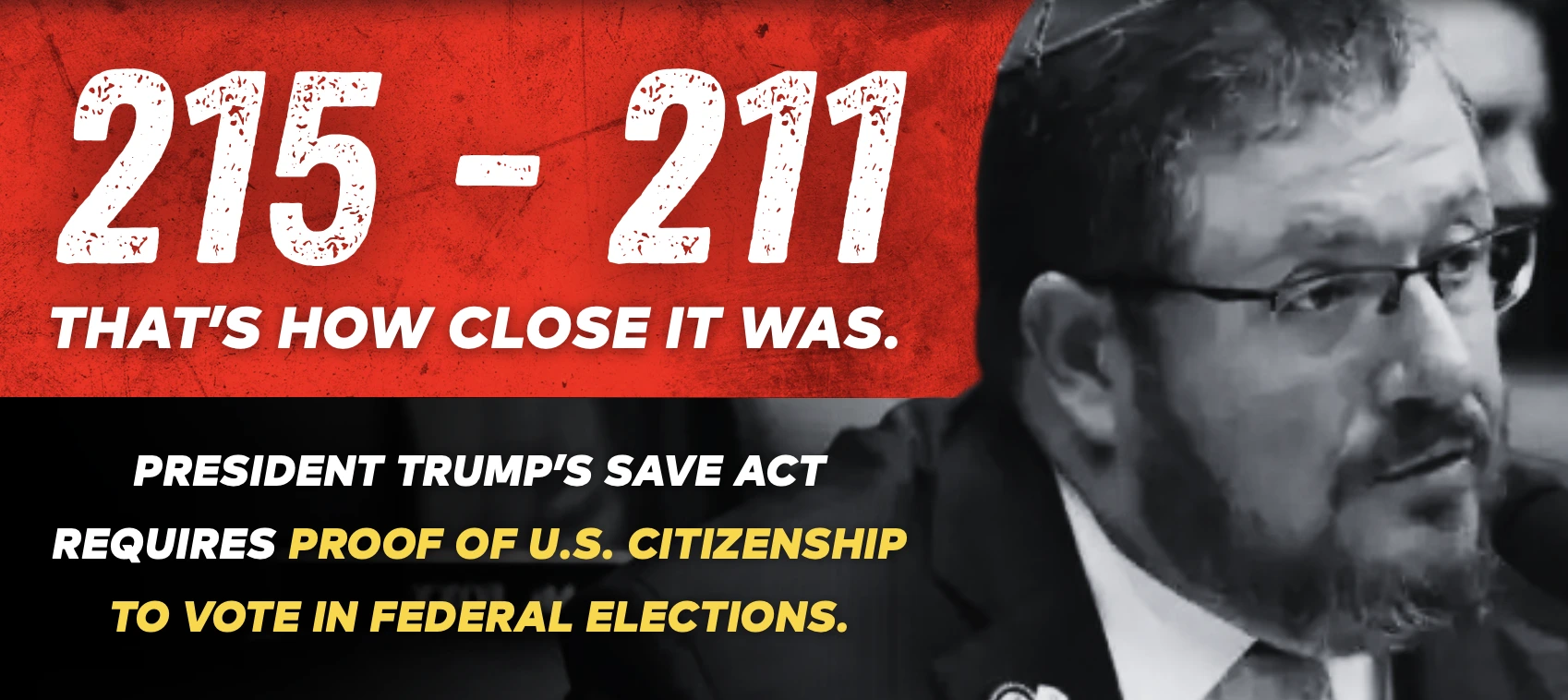
Fine was the only Republican in Congress to vote against advancing President Trump’s SAVE Act. The procedural vote was decided 215–211, and when the bill needed one more Republican vote to move forward, Fine voted with every Democrat against advancing it.
Fine’s legislative voting record also includes support for measures that some conservatives have criticized as inconsistent with limited-government principles.
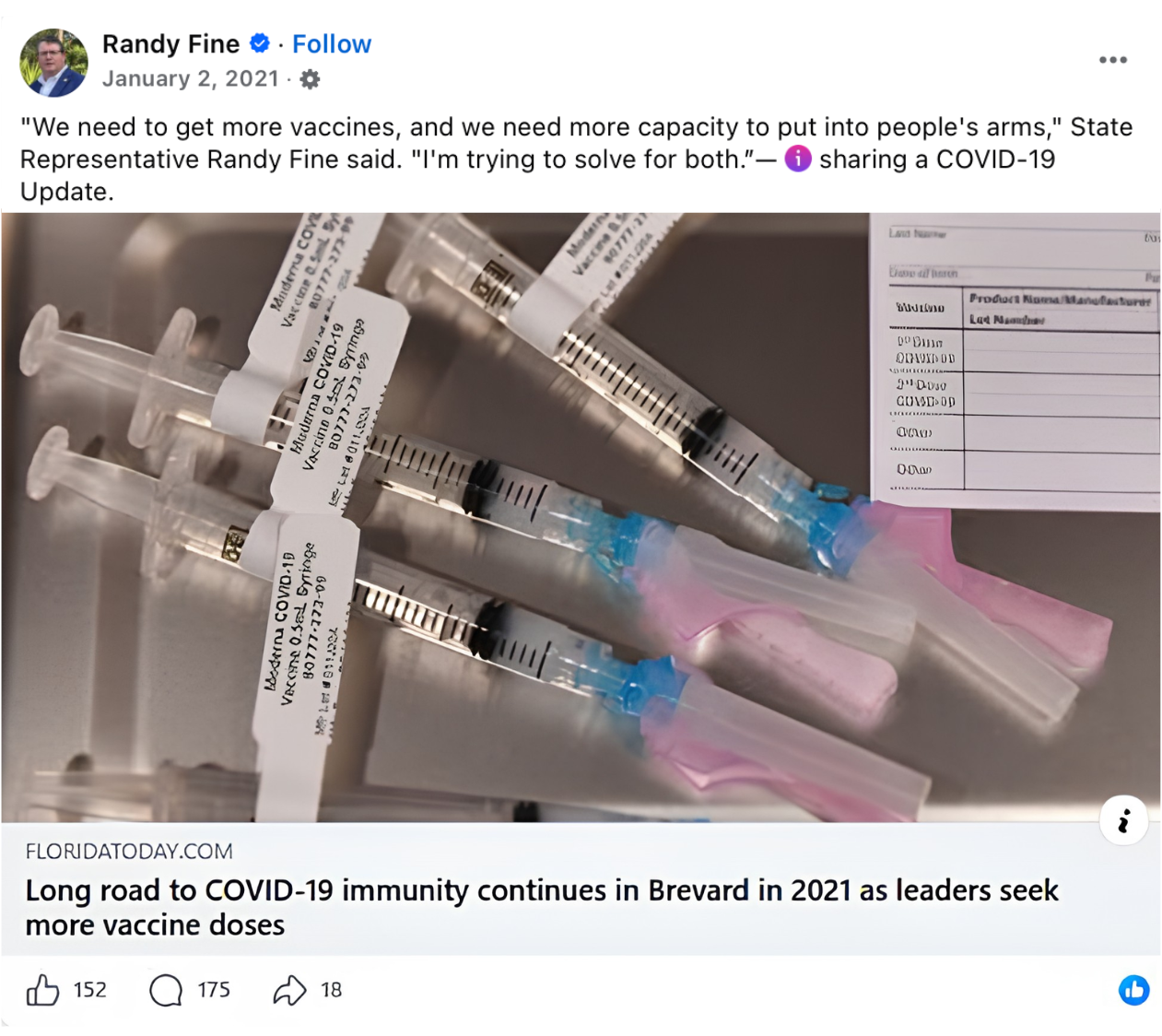
supporting COVID-era vaccine distribution efforts
authorizing the purchase of two state aircrafts
extending the state's Visit Florida tourism program
expanding KidCare eligibility
voted against measures involving college athlete NIL rights
voted against fireworks deregulation
Taken together, these votes have led critics to question whether Fine’s legislative record aligns with the conservative positions he campaigns on.
Abusing the Public Trust
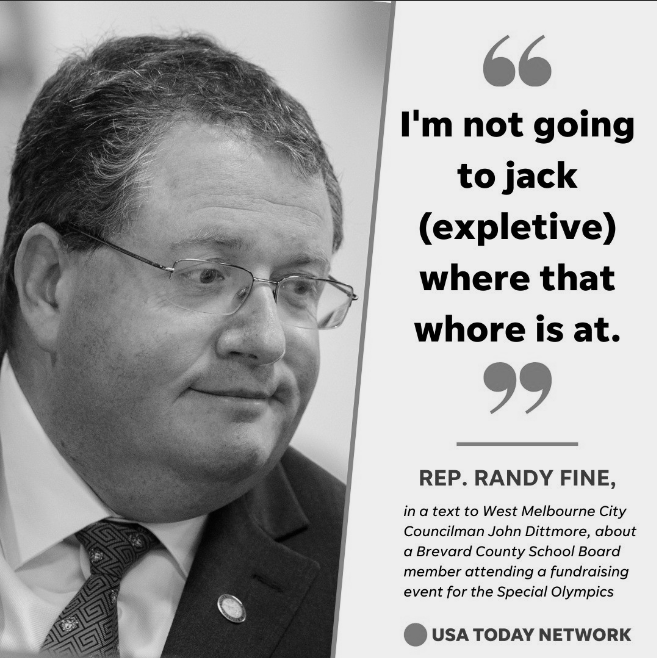
In 2024, the Florida Ethics Commission found probable cause that Fine violated state ethics laws in connection with his conduct toward the City of West Melbourne.
According to the ethics complaint, Fine allegedly threatened state funding during a dispute involving School Board member Jennifer Jenkins.
The Commission concluded there was probable cause to proceed with the ethics case.
The ethics proceeding raised broader questions about whether public office was used to advance a personal dispute rather than the public interest.
Pattern of Unprofessional Conduct



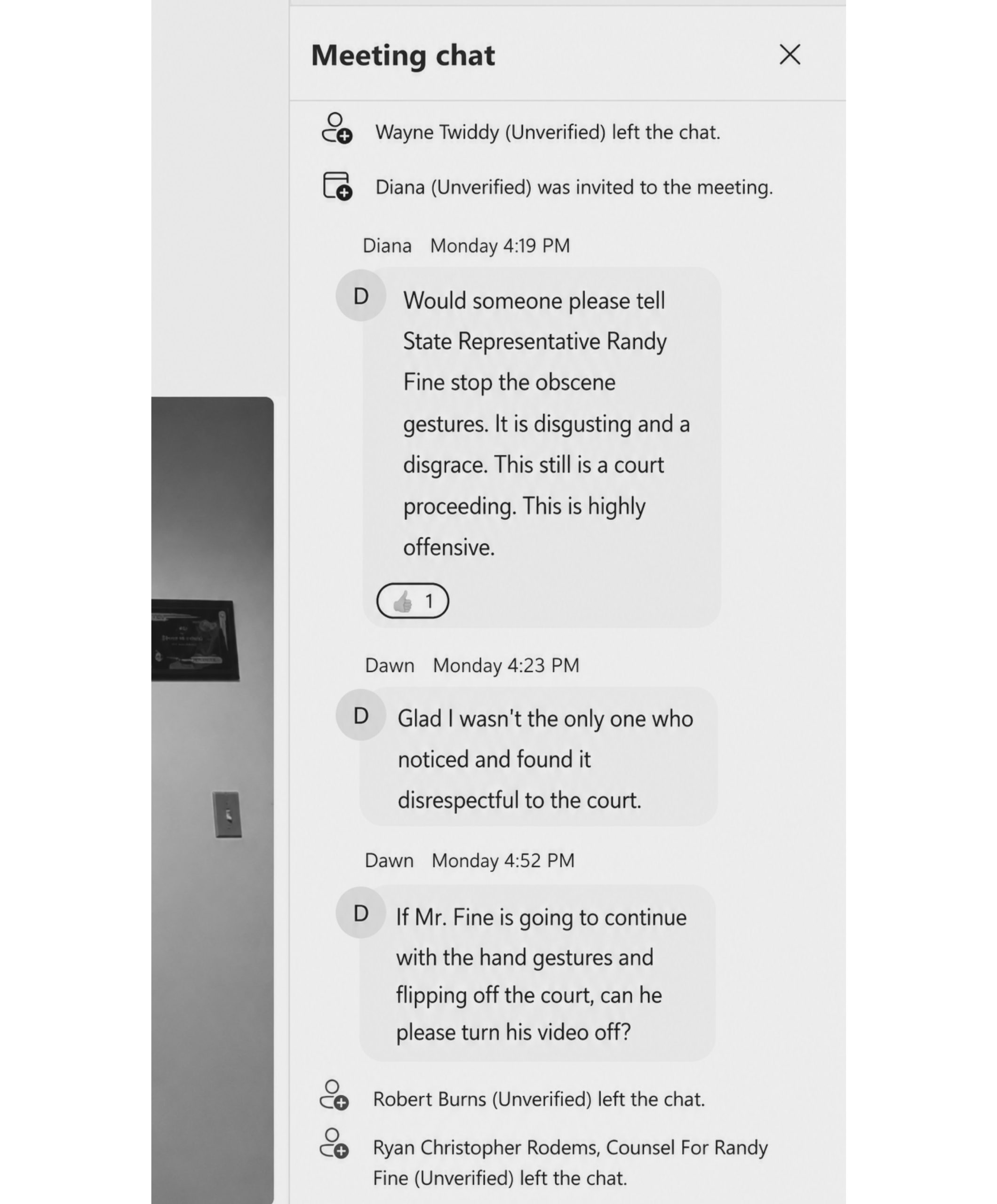
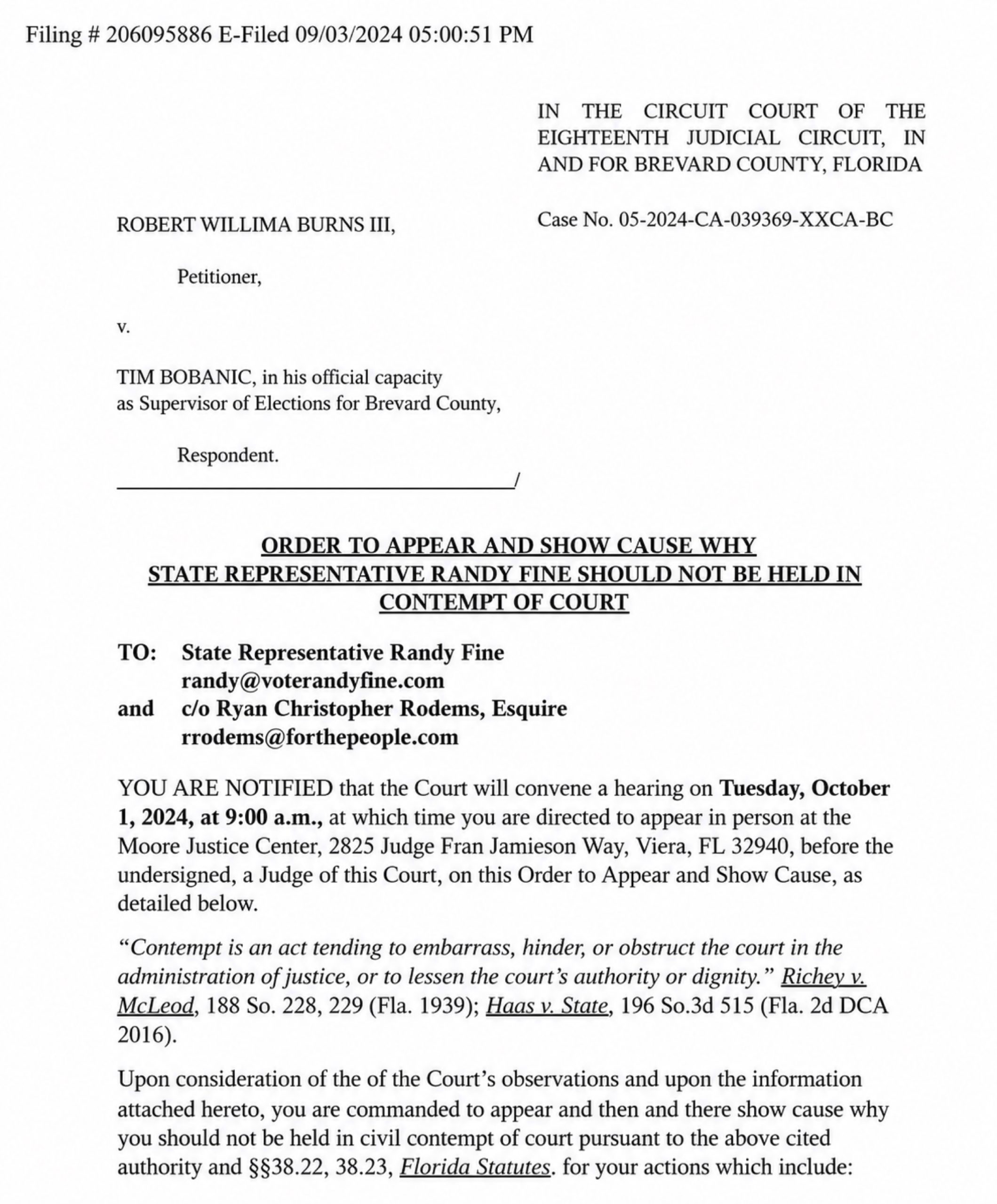
A judge held Fine in contempt after his behavior during a virtual court hearing and ordered him to complete anger-management classes.
Court filings describe conduct that included making obscene gestures during the proceeding. The incident drew public attention and became part of a broader pattern of controversies surrounding Fine’s conduct while in office.
One Standard for Others
Fine has been a vocal supporter of legislation restricting certain performances that he argued were inappropriate for children.
At the same time, the Randy Fine for State Senate campaign was listed as a sponsor of the 2023 Spring Forward for Autism gala, an event advertised as benefiting children with autism in Brevard County.
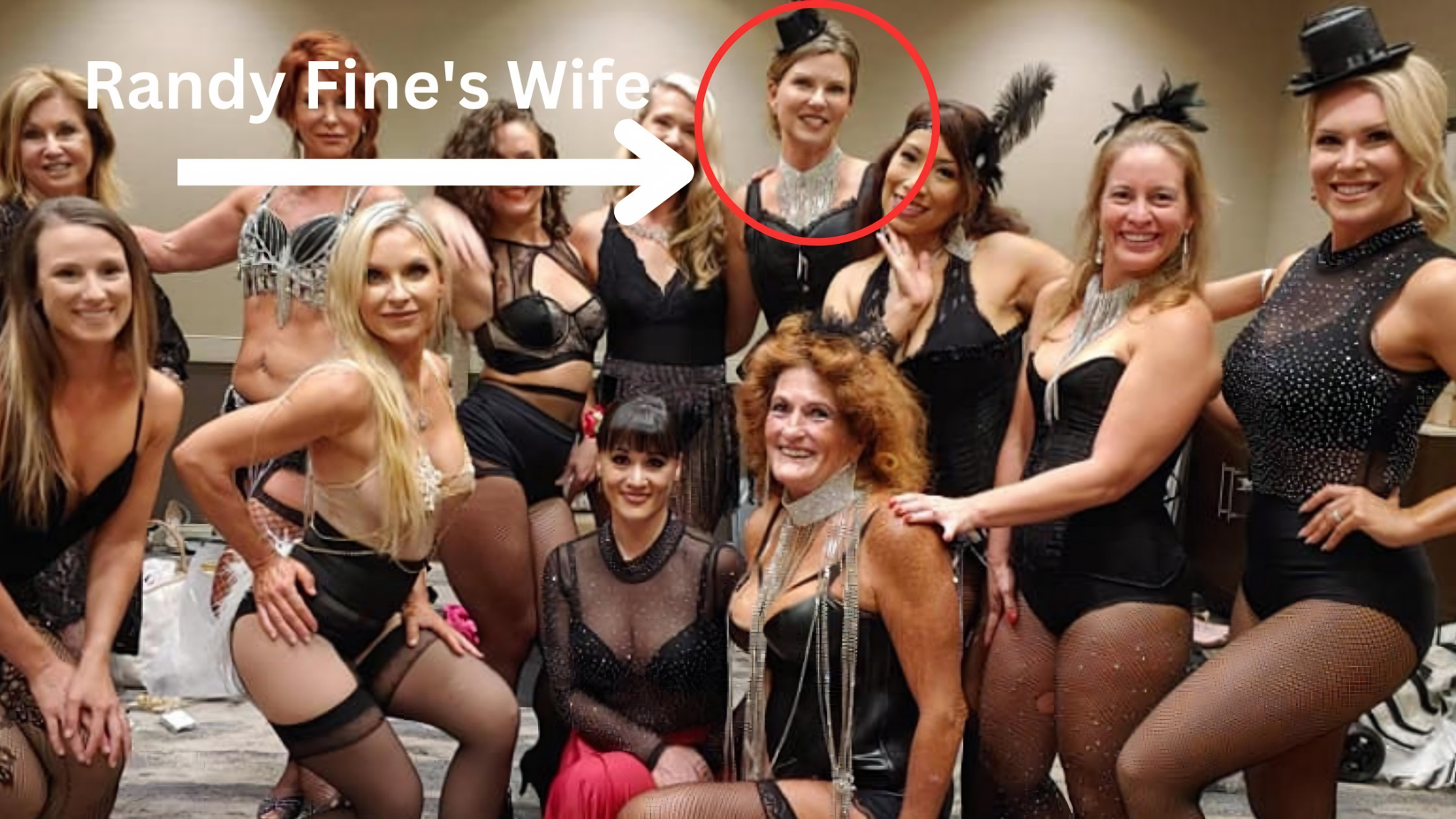
Archived promotional materials for the event described entertainment that included “sultry performers,” Rainbow Circus Miami, dance performances, VIP cocktails, and live entertainment.
The event page also identified Wendy Fine as Gala Committee Chair.
The sponsorship has drawn attention because it appears inconsistent with Fine’s public criticism of similar forms of entertainment in other settings.
Gun Control Record
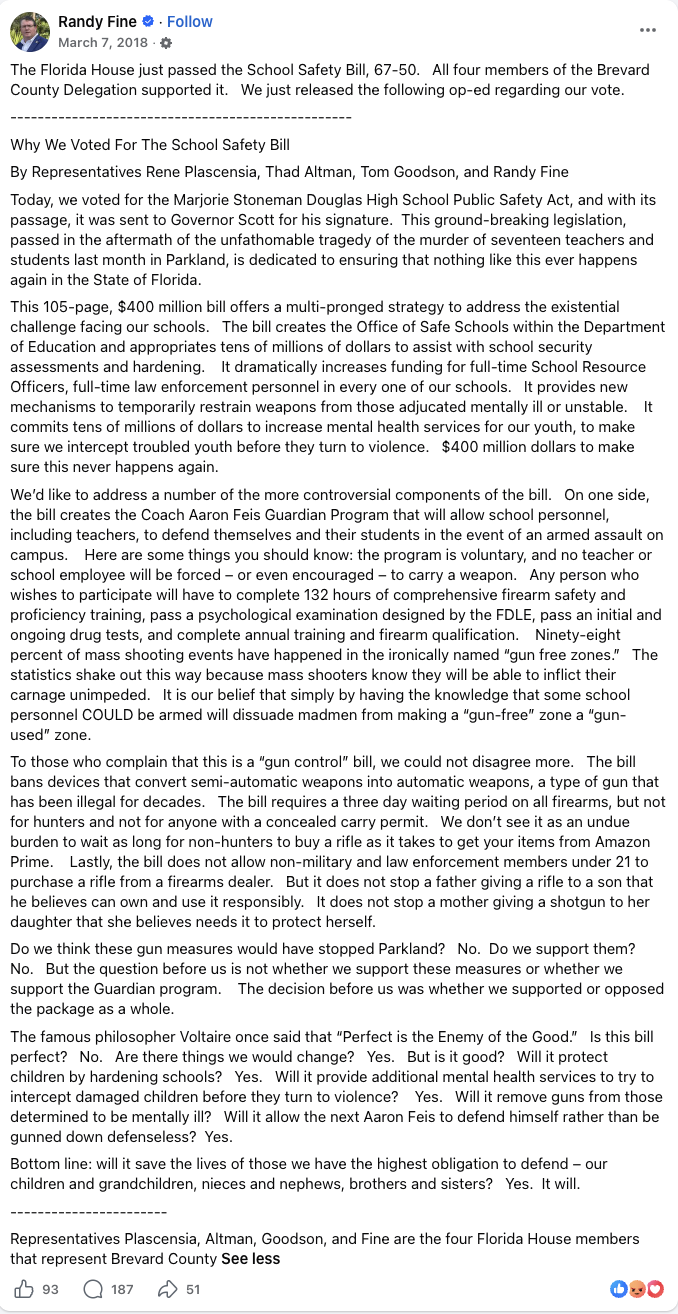
In the aftermath of the 2018 Parkland school shooting, the Florida Legislature passed the Marjory Stoneman Douglas High School Public Safety Act.
Fine voted in favor of the legislation.
The law included several significant firearms restrictions, including:
Raising the minimum age to purchase firearms from 18 to 21
Expanding waiting periods
Authorizing risk protection orders ("red flag" laws)
Prohibiting bump-fire stocks
Political Insider
Fine campaigns as a conservative outsider taking on the political establishment but his record tells a different story.
Since first winning election to the Florida House in 2016, Fine has spent nearly a decade building a career in elected office while repeatedly seeking higher positions and greater political influence.
Before entering politics, Fine graduated from Harvard University, worked as a consultant for McKinsey & Company, and built a career in the casino and gaming industry. According to his own biography, he helped investor Carl Icahn turn around a gaming company that was later sold for a reported $1 billion profit.

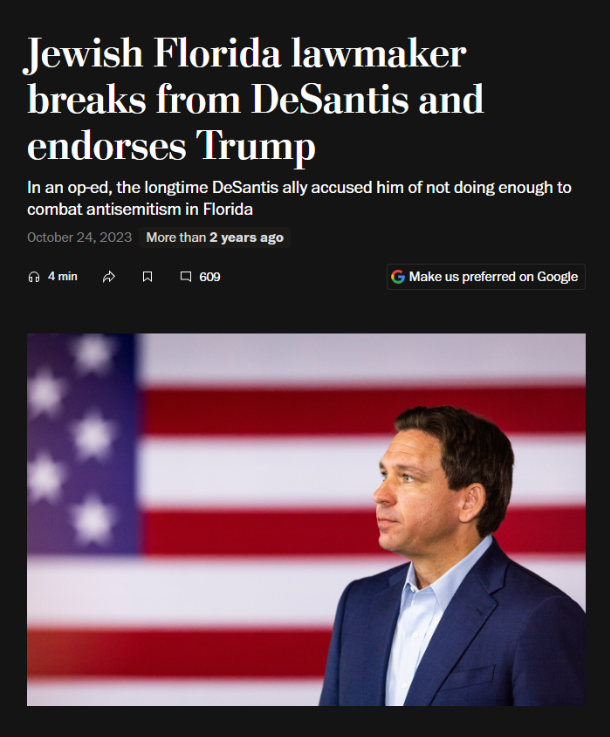
Months later, he switched his endorsement in the 2024 Republican presidential primary from Governor Ron DeSantis to Donald Trump.
DeSantis publicly accused Fine of trying to “ingratiate himself” with President Trump and also claimed Fine did not live in the congressional district he represents.
That’s not the background of a political outsider. It’s the resume of a career politician with deep ties to corporate America and years inside the political system.
Questions About the Money
Fine listed his three largest assets as being held through Jayvid Holdings, with reported values ranging between $10.5 million and $51 million.
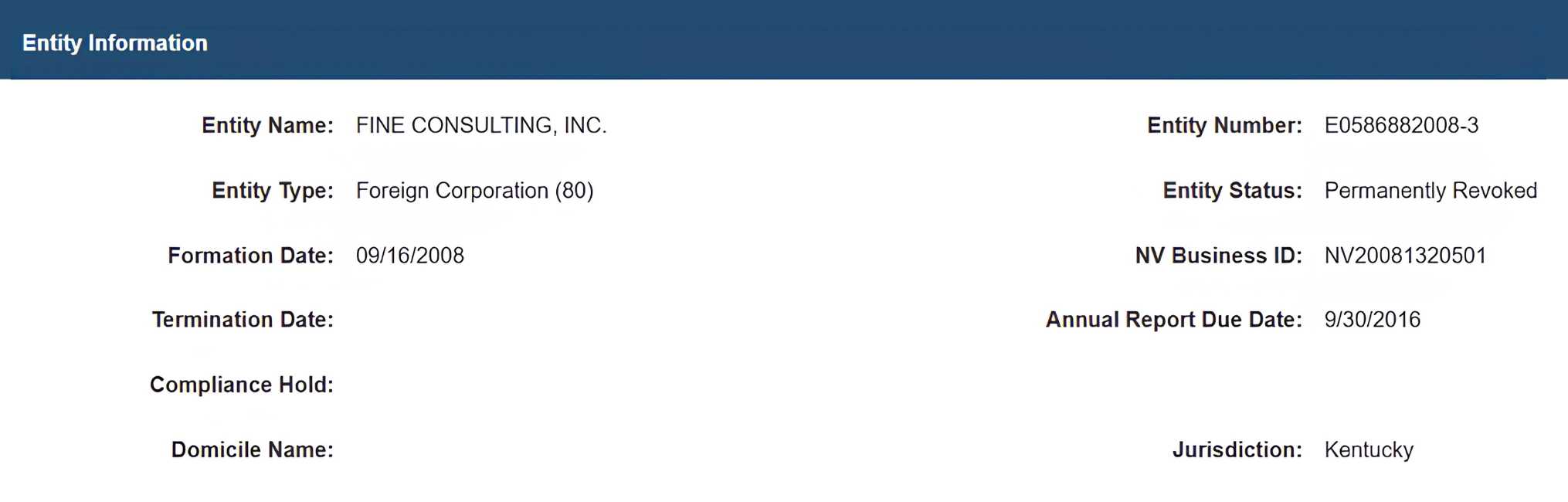
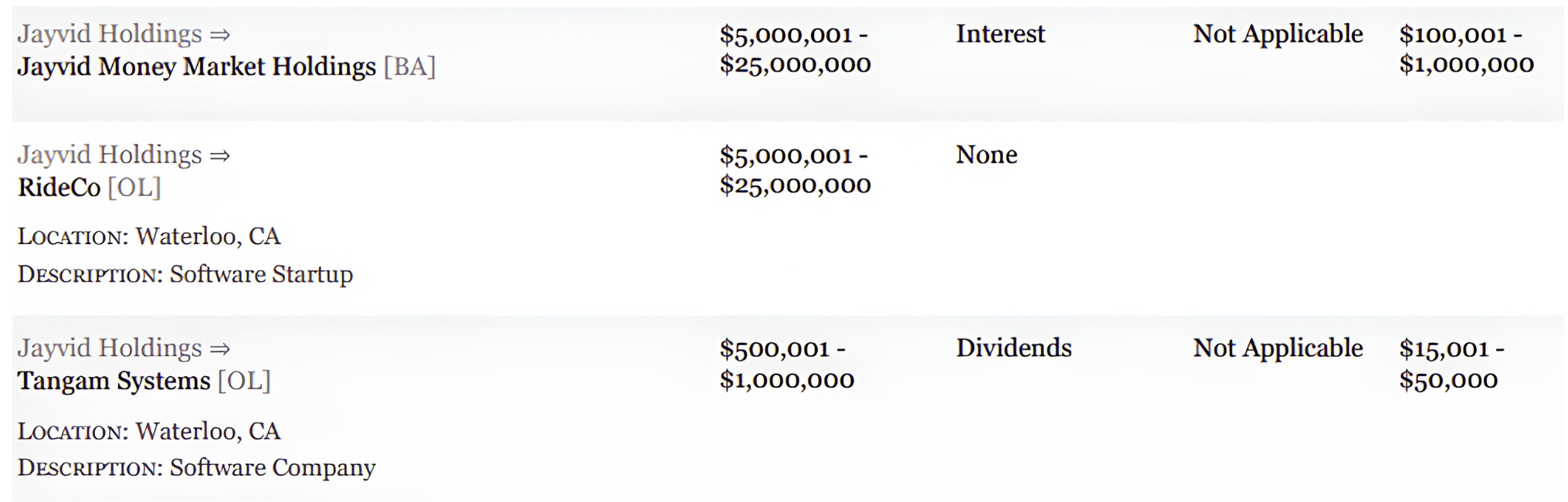
For an elected official entrusted with taxpayer dollars, financial transparency is not optional. Voters deserve clear answers about Fine’s assets, business holdings, and public disclosures.
lawsuit Mania
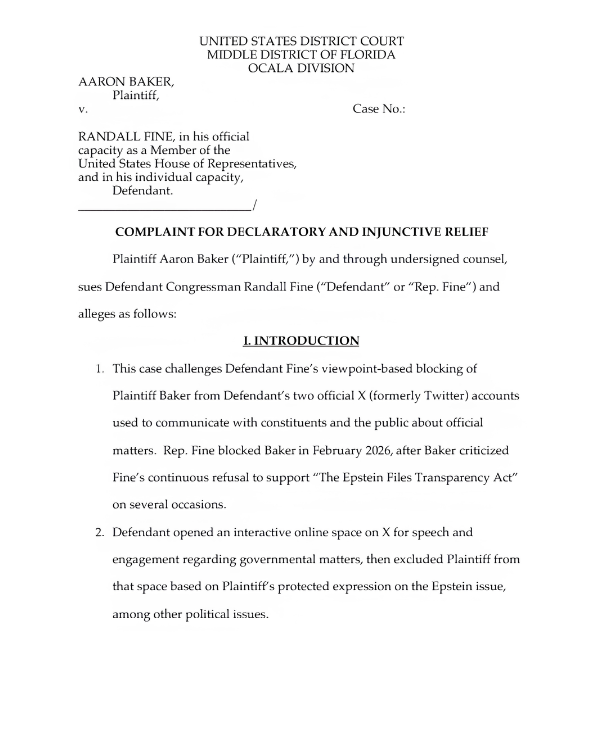
Fine has been sued over allegations that he violated constituents’ First Amendment rights by blocking critics from his official social media accounts.
One lawsuit followed criticism of Fine’s handling of the Epstein Files Transparency Act.
Another involved criticism of public comments in which Fine compared Muslims unfavorably to dogs.
The lawsuits argue that elected officials cannot use official government social media accounts to silence constituents simply because they disagree with them.
Public officials are free to defend their views. They are not free to shut out critics from official public forums because they dislike what those critics have to say.